Hanyang Model United Nations
  • Home
  • Introduction
    • What is MUN?
    • About HMUN
    • About HYCIS
    • Programs
    • History
  • HMUN IX
    • Conference Schedule
    • Position Paper
    • Rules of Procedure
    • Chair Reports
    • Venue
    • Partnerships & Sponsorships
  • Committees
    • UNESCO
    • UNHRC
    • UNCTAD
    • UNSC
  • Delegate Application
    • Individual Registration
    • Group Registration
    • Accommodation
    • Refund Policy
    • Terms and Conditions
    • Pledge of Participation
  • Contact

United Nations
​Security Council (UNSC) 

The United Nations Security Council (UNSC) is one of the principal committees of the United Nations, provided under Article 7 of the United Nations Charter. Established in 1945, the UNSC has been the key body, which was created in the aftermath of World War II, with its main goals to maintain international peace and security. UNSC is the only UN body with the authority to issue legally binding resolutions, authorize military force, impose sanctions, and establish peacekeeping missions. While other UN organs can debate, recommend, and compromise, the Security Council is the only UN organ with the authority to make legally binding decisions that all UN member states must follow. 

​The UNSC actively renews the mandates to maintain peace and stability. It also emphasizes the need for climate-peace-security action based on how conflicts cause environmental damage, including contamination of waters and displacement to fragile environments. Likewise, the UNSC internationally brings multidisciplinary reforms and cooperation, ensuring the safety and security of nations worldwide.

Agenda
1. Developing a regulatory framework for the deployment of Lethal Autonomous Weapons (LAWS) in modern warfare.

2. Reforming budget execution to mitigate fiscal strains derived from insufficient incentives for member contribution​.

Agenda Introduction​
[ 1 ] The development of artificial intelligence and automatic systems has transformed the landscape of modern warfare. This has raised urgent questions about the implications of Lethal Autonomous Weapons (LAWS). The ability to select and engage targets without direct control has raised challenges to the international community in ensuring compliance with international humanitarian laws while maintaining accountability for the use of force. The absence of a comprehensive regulatory framework increases the risk of misuse and unintended escalation. The agenda focuses on finding pathways to establish clear international norms while strengthening verification and monitoring systems for transparency between nations. The UNSC seeks to mitigate the risks posed by autonomous weapons while safeguarding global peace and stability.

[ 2 ] 
The United Nations is run by the member nations’ financial contributions. However, persistent delays and shortfalls in contributions have generated fiscal strains that compromise the organization’s ability to respond to emerging crises and sustain peacekeeping operations effectively. Current budget execution mechanisms lack robust incentives for timely and full payment. This leads to uncertain cash flows, reliance on ad hoc measures, and unequal burdens on a limited number of major contributors. The challenges can degrade the institutional trust between the members and the operational integrity of activities. The agenda focuses on reforming the budget execution system of the UN, which can mitigate the incentive structures and penalties while enhancing financial transparency. Furthermore, the committee can diversify the funding modalities while upholding the principles of equity and shared responsibility. Through constructive deliberation, the UNSC seeks to build a more resilient and sustainable financial framework for the organization. 

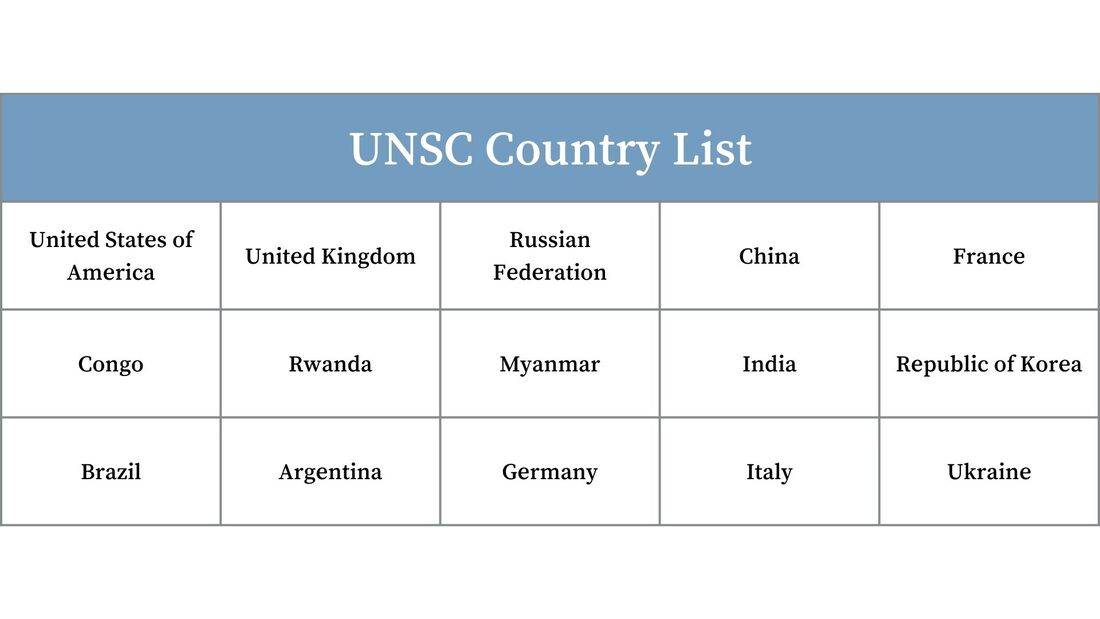
Country List  
Please refer to the list when submitting your delegation preferences:
Picture
Picture
  • Home
  • Introduction
    • What is MUN?
    • About HMUN
    • About HYCIS
    • Programs
    • History
  • HMUN IX
    • Conference Schedule
    • Position Paper
    • Rules of Procedure
    • Chair Reports
    • Venue
    • Partnerships & Sponsorships
  • Committees
    • UNESCO
    • UNHRC
    • UNCTAD
    • UNSC
  • Delegate Application
    • Individual Registration
    • Group Registration
    • Accommodation
    • Refund Policy
    • Terms and Conditions
    • Pledge of Participation
  • Contact